Jam’i Ibn Tulun
Alberto Di Gennaro
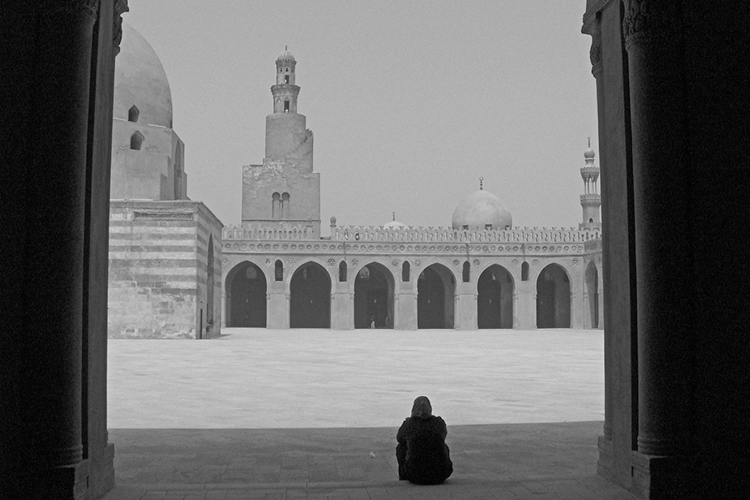
The images included in this photographic book are intentionally shown according to an exploratory sequence of the Ibn Tulun Mosque.
| 2° livello |
|
| 3° livello |
49 copie al prossimo livello
|
|
13 Giorni rimasti |
|
Sinossi
The Mosque of Ibn Tulun, is one of the well-preserved monuments in Cairo that have come down to us today in its original construction making the visitors enjoy the serene and peaceful atmosphere that has emanated for centuries. The images included in this photographic book are intentionally shown according to an exploratory sequence of the Ibn Tulun Mosque to make the reader not a passive one but a being involved in the visit to this sacred and historic place.
Anteprima
A Journey in the Shadow of the Minaret
رحلة في ظل المئذنة
Aḥmad Ibn Ṭulun was on born September 835 in Baghdad and died on March 884 in Egypt; he was the founder of the Ṭulunid dynasty in Egypt and the founder of the city of Al-Qata’i. His father, Tulun, a Turk from Bukhara was captured in 815/6 and sent as a tribute to the Caliph al-Ma’mu. As a child, Ahmad was enslaved and placed in the private service of the Abbasid Caliph in the new capital, Samarra; the mosque, that was built between 876 and 87, was named after him and was inspired by Samarran architecture because Ahmad Ibn Tulun used Samarra as a model in the construction of the city and mosques in Egypt. The mosque was called Al-Fouqany, meaning “upper”, because it was built on a hill known as Mount Yashkar; this was intended to separate it from the Amr bin Al-As Mosque, which was sometimes called Al- Sufliyya, meaning “lower”; the architect in charge of this imperial mosque was Saeed bin Kateb Al-Farghani, a famous and talented Egyptian Coptic who supervised the construction. The mosque was built from a treasure that Ahmed Ibn Tulun claimed to have found while hunting. He built the new capital, Al-Qata’i, in the center of Fustat and then Cairo, with an enriched treasury, instead of paying tribute to Baghdad. From 876 to 879 he built the mosque, which was named after him. It is the oldest existing mosque in Cairo. Ibn Duqmaq says that when the mosque was completed, people refused to go to pray in tht place, claiming that it had been built with money they did not know where it came from, so one Friday Ibn Tulun went up to the pulpit and assured them that he had built the mosque using a treasure he had found on the mountain. This reassured the people and on Friday they came in large numbers. It is very likely that Ibn Tulun had sufficient funds, since in the year 259 AH (873 AD) he refused to send tribute to the Caliph in Baghdad and that he invented the story of the treasure to hide the truth. This is one of the reasons why, in 905, the city of al-Qata’i‘ was razed to the ground by the Abbasids when they reconquered Egypt, for revenge to the many offenses suffered by the founder of the Tulunid dynasty, leaving standing only the mosque.
Sostenitori
| Amedeo Fareri |
| Anonimo |
| Anonimo |
| Anonimo |
| Anonimo |
| Arrigoni Riccardo |
| Beatrice Vara |
| Carboni & Partners |
| Claudio Piazza |
| Emiliano Stornelli |
| Enrico |
| Filippo Auletta |
| Francesca |
| Giancarlo Roncaglio |
| Igiea l |
| Livio |
| Manuela Andreuccetti |
| Mara |
| Mario Boffo |
| Nicola Carboni |
| Paolo |
| Paolo |
| Paolo Patrizio |
| ROBERTO |
| ROBERTO |
| Roberto |
| Roberto Auletta |
| Stefano |
| Valentina |
| Vatteroni |
| anna |
| rodolfo |
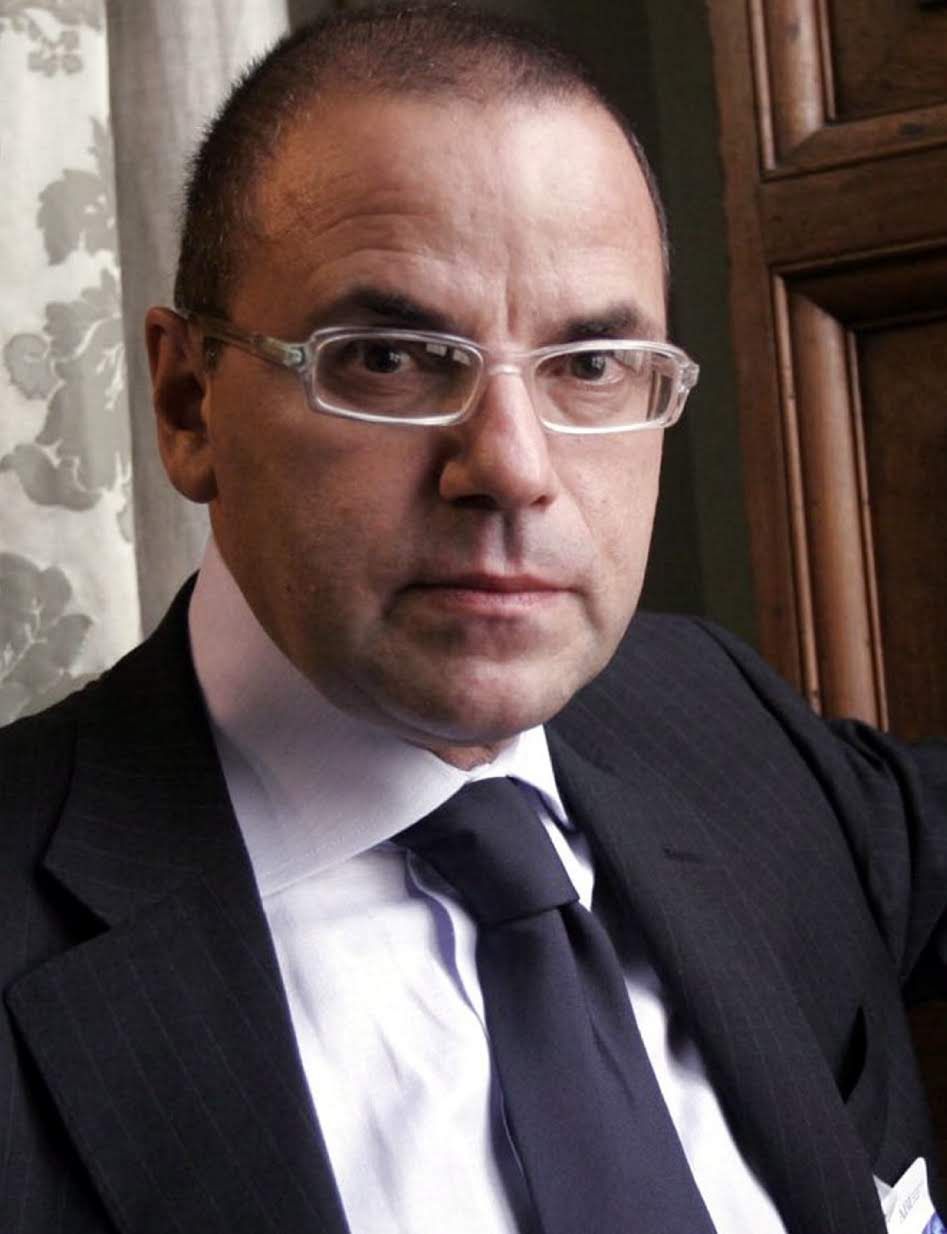
Alberto
Alberto Di Gennaro is an arabist, author and photographer based in Italy, specialist on heritage of the Islamic countries and Islam. Author to the Italian international “Foundation Med-Or”, Rome, member of the “The British Yemeni Society”, London, UK, Senior Fellow at the “Religion and Security Council”(RSC), Rome.